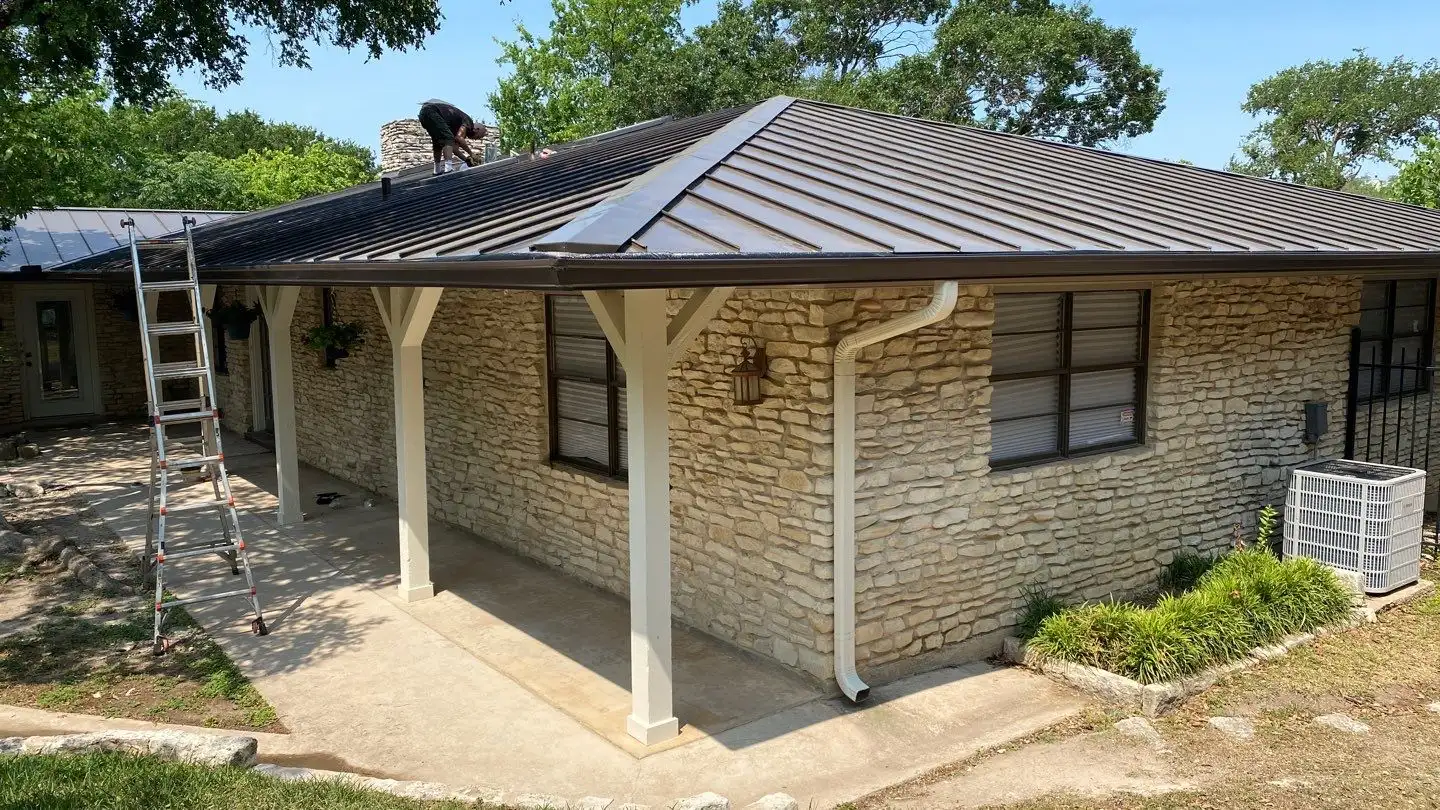
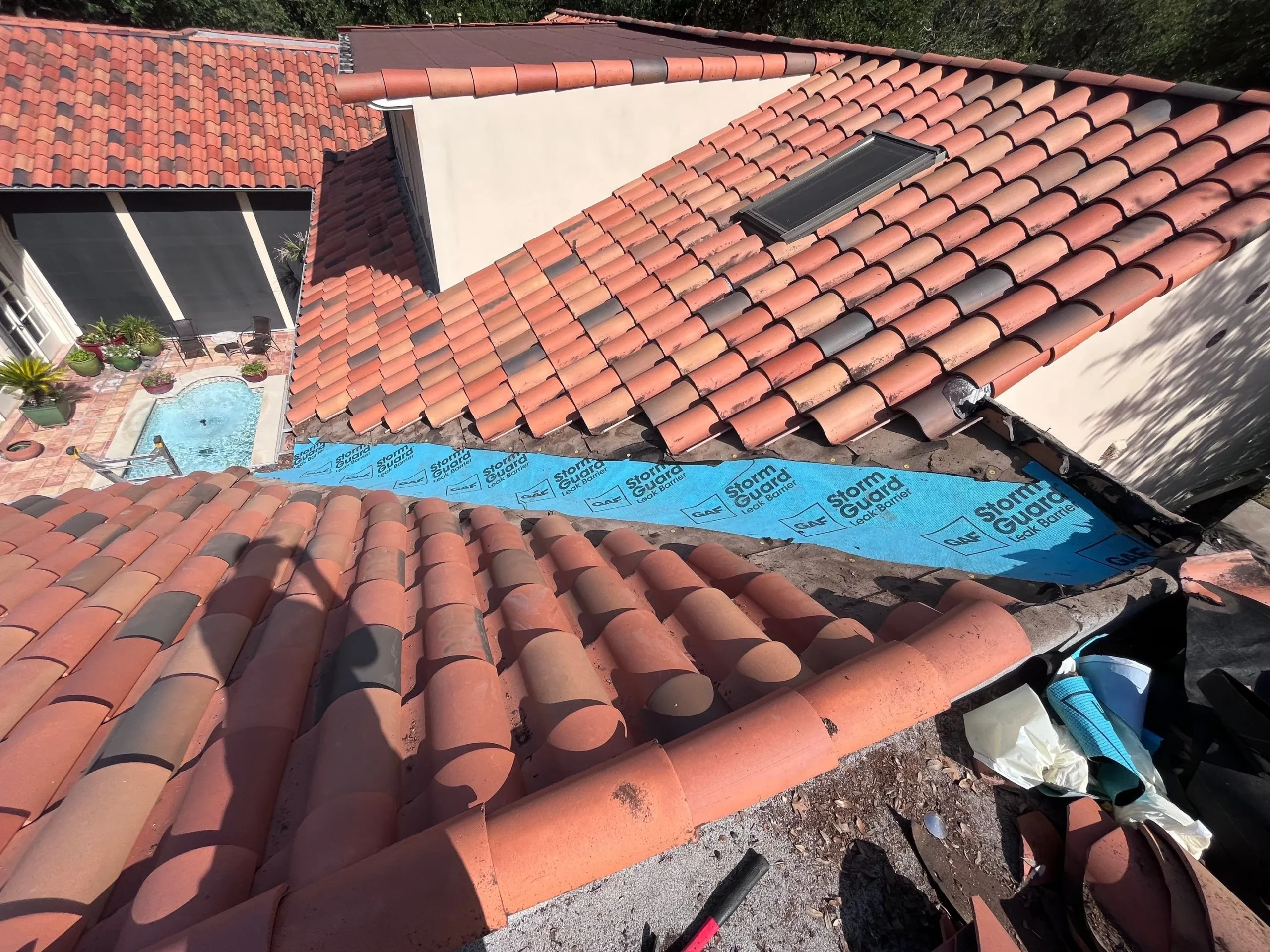
How to Spot Hail Damage on Roof: A Complete Homeowner Guide
Hailstorms strike quickly and leave severe structural pathing behind. Knowing how to spot hail damage on roof systems allows property owners to mitigate leaks, streamline insurance filings, and protect structural integrity before minor impacts become massive repair bills.

1. Safety First: Ground-Level Indicators
Before setting up a ladder, check your surrounding property for collateral indicators. Hail rarely damages roof shingles without leaving marks elsewhere.
- Gutters and Downspouts: Dents on aluminium gutters or downspout splash blocks indicate severe impact.
- Decking and Siding: Look for chipped paint, cracked vinyl siding, or dented patio furniture.
- Air Conditioning Units: Impact marks on exterior condenser fins are strong evidence of large hail size.
- Mailboxes and Lighting: Check metal light fixtures or mailboxes for visible dings.
2. Inspecting Soft Metals and Accessories
Soft metal components absorb hail impact more readily than composite materials, making them ideal diagnostic tools for property owners evaluating severe weather impact.
Inspect ridge caps, chimney flashing, roof vents, and skylight frames. If metal roof vents display round indentations, your shingles likely suffered equivalent or greater impact force.
3. How to Spot Hail Damage on Roof Shingles
Asphalt shingles are the most common roofing material, but they show hail damage differently based on age, quality, and hail size.
Visual Signatures on Asphalt Shingles
When learning how to spot hail damage on roof shingles, focus on these primary visual cues:
- Granule Loss: Severe hail knocks reflective granules loose, exposing dark asphalt underneath.
- Bruising: Press lightly on dark spots. If the shingle feels soft or spongy, the internal matting has fractured.
- Circular Cracks: High-velocity hailstones leave distinct circular fractures in the shingle surface.
- Exposed Underlayment: Extremely large hail can tear completely through shingles, exposing wooden decking.
4. Material-Specific Hail Signs
| Roof Material | Primary Hail Damage Marker | Secondary Structural Risk |
| Asphalt Shingle | Granule loss, dark spots, bruised matting | UV degradation, water leaks |
| Metal Roofing | Visible cosmetic or structural dents | Coating failure, seam displacement |
| Clay / Concrete Tile | Edge chips, cracked tiles, circular fractures | Underlayment exposure, rapid leakage |
| Wood Shake | Random splits, sharp edge breaks, impact marks | Rot, moisture penetration |
5. Differentiating Hail vs. Normal Wear & Tear
Insurance adjusters strictly differentiate between storm damage and natural aging. Understanding this distinction prevents denied claims:
- Hail Damage: Random pattern, fresh unweathered exposure, soft bruises, concentrated impact marks.
- Thermal Cracking: Uniform horizontal or vertical lines running across multiple shingles.
- Blistering: Gas bubbles caused by improper attic ventilation; leaves raised hollow pockets rather than indented bruises.

6. Next Steps After Identifying Roof Damage
If you observe impact signs, act quickly to document findings and secure your building structure:
- Document Everything: Take high-resolution photos of ground-level damage, gutters, and roof surfaces.
- Review Insurance Timelines: Most homeowner policies require storm damage claims within 12 months.
- Schedule Professional Inspection: Contact local experts via Lake Travis Roofing for a comprehensive, certified storm assessment.
- Prevent Secondary Leaks: Apply temporary tarps over exposed decking if active leaks appear.
For official guidance on weather monitoring and severe storm tracking in your local region, consult historical radar archives provided by the National Weather Service.